Decorative concrete in Santa Ana CA - a finish you can live with for years
A plain gray patio or a worn, faded slab out back? We'll help you pick a color and pattern that wears well.
Talk through your decorative concrete options
Call (714) 439-5472 or use the form, because picking a color and pattern is a lot easier with your actual slab in front of us.
What goes into decorative concrete for a Santa Ana home?
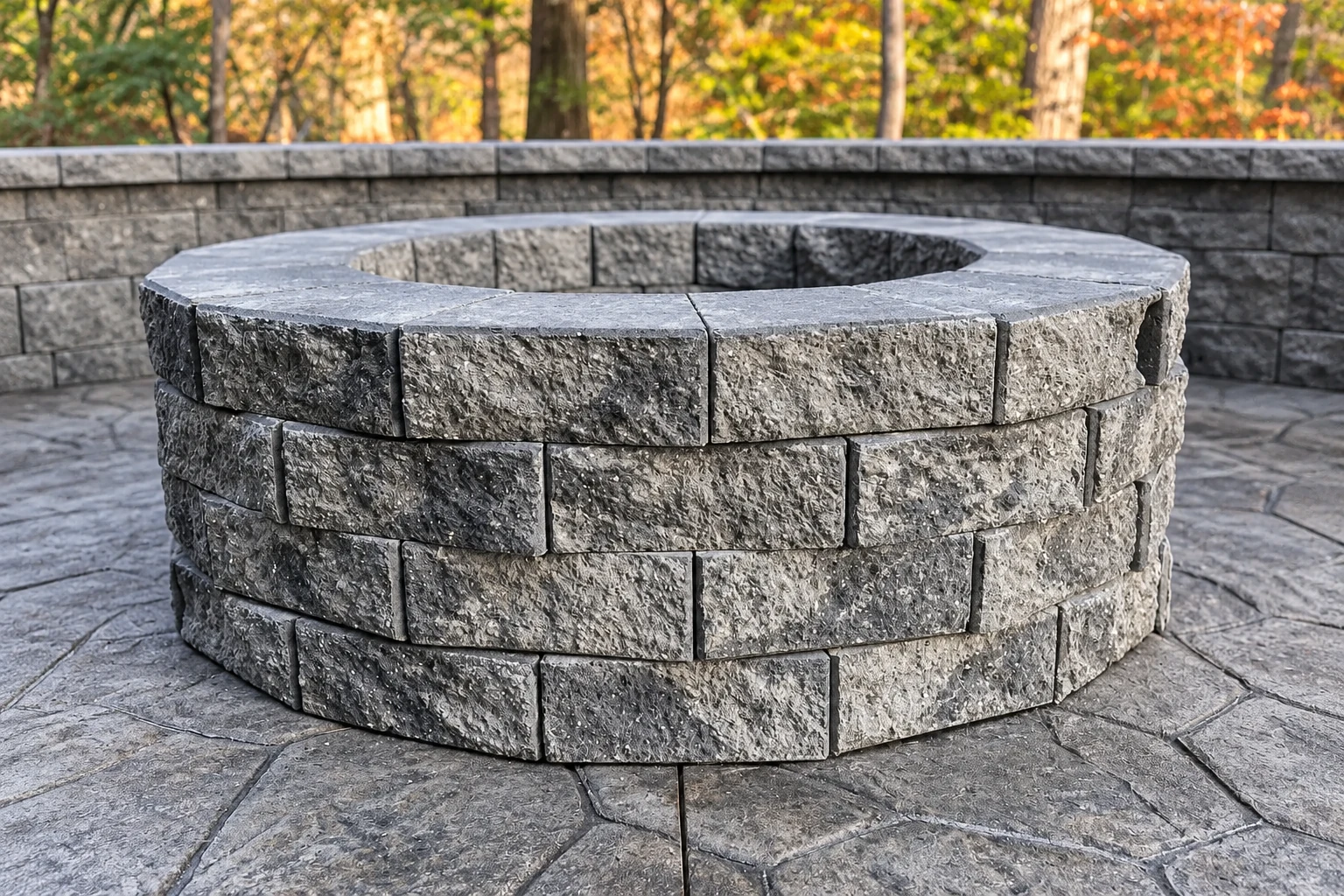
Decorative concrete in Santa Ana usually means a stamped and colored slab. It's poured fresh or laid as a new top layer on an old slab, pressed with rubber mats while it's still soft so it looks like stone, brick, wood or tile, and then sealed.
Most calls start with a plain gray patio, walkway or driveway someone's tired of looking at, or an older slab they'd rather dress up than tear out. The price moves with the size, the pattern, how you color it and how much base work the spot needs, and the biggest swing is whether the old concrete comes out or gets a new top layer. The schedule turns on that same choice, on any permit, and on curing, the wait while the concrete hardens enough to walk and drive on. I'll measure and talk through all of it on site, and your written estimate puts it in numbers.
Why Santa Ana homeowners call us for decorative work
I look at every job myself
I come out to see every site, and I'm with our crew for most of the forming, pouring and finishing. The person who helped pick your pattern sees it pressed in.
Running our own crew since 2017
I started this business in 2017 after years on my dad's crews, and we work across Orange County. You'll hear plainly how each finish ages before you choose.
Licensed and insured for street-side work
We're licensed and insured. Santa Ana requires a licensed contractor for work in the street or public right of way, and when a permit is needed we can pull it.
On decorative work, what matters most is knowing how the finish will look and wear before anything's poured. Contact us and I'll come take a look at your slab.
How we handle decorative concrete
Every job starts with what's underneath. If you want a new top layer on an old slab, I look hard at its cracks first, because overlay makers warn that cracks in the old concrete can show back through the new layer even after they're repaired, and sometimes tearing it out is the better buy. For a new slab, we dig out and pack the subgrade, the soil and base the slab sits on, set the forms and the rebar, steel that holds the slab together if it cracks, and pour at the thickness its use calls for. When we use a color hardener, we spread and float it evenly so the color doesn't come out blotchy, then press the pattern in with rubber mats while the concrete is still soft. The control joints, grooves that give the slab a planned place to crack, get cut along the pattern's grout lines so they disappear into the design, and the slab is sealed once it's cured. We keep wash water and slurry out of the gutter, since Orange County's construction runoff guidance counts concrete and grout among the materials from a job that can pollute. If the budget gets tight, I'd rather you pick a simpler pattern than skimp on the base, because the base is what keeps the pattern flat and nobody can fix it once the color's on top.
Decorative work often meets other concrete. If the patio sits against a slope, a concrete retaining wall can be built and finished to match it, and when you want the same look indoors, concrete floor installation gives you a new interior slab that's ready for color.
Stamped pattern on a new slab
This suits a patio, walkway or driveway built from scratch, because we can dig out and prep the base right before any color goes on. It also gives you the widest choice of pattern and color.
New top layer on a sound slab
This suits an old slab that's level and mostly free of cracks, since it saves the tear-out. If yours is badly cracked, I'll tell you straight that new concrete is the safer bet.
How can you tell a decorative slab needs work?
Color worn off in paths
The color looks dull or patchy where people walk and cars turn. That usually means the sealer has worn through, and waiting lets traffic start wearing down the color itself.
Cracks that keep spreading
A crack that gets longer or wider each year usually points to a base settling underneath. Left alone, it lets water in and the edges start to chip away.
Water pooling near the house
Puddles that sit on the slab or run toward your walls mean it drains the wrong way. Waiting keeps sending water where you don't want it, and fixing the slope takes new concrete.
Sections that sank or tipped
One panel sitting lower than the next usually means the dirt under it was never packed well. It tends to get worse over time and leaves a trip edge at the joint.
What happens when you call about decorative concrete in Santa Ana?
Call and set a site visit
Call or send the form and we'll set a time. I come out, look at the slab, ask how you use it, walk you through the options and send a written estimate.
We prep, pour and stamp
Once you say go, we sort out any permit, then prep and form the job, pour it, color it and stamp it. Plan on staying off it while it cures.
Walk the finished slab together
We walk the finished slab with you and check the color, joints and sealer. Then we go over when you can start using it.
Decorative concrete questions we hear
Here are the questions people ask most about stamped and colored concrete. If yours isn't here, give us a call and ask about your own slab.
Will a stamped concrete patio in Santa Ana crack?
Expect some cracking, because concrete shrinks as it dries and most slabs end up with a few small cracks. Enough reinforcement and well-placed control joints keep the large, visible cracks in check, which is why we put the work into both.
What is the best color method for a stamped concrete driveway?
A color hardener on top is the common driveway choice, one field guide says, because it gives richer color and a harder surface. The trade-off is that a deep chip shows the gray concrete underneath, while integral color, which is mixed all the way through, shows the same color in a chip. I'll help you weigh which fits how you use yours.
How much does stamped concrete cost per square foot?
Across the US, installed stamped concrete usually runs about $26 to $31 per square foot. That's the going rate nationally, not our price, and where your job lands depends on the choices you make for it. Your written estimate gives you the real number.
Who issues permits for concrete work in Santa Ana's public right of way?
The city's Development Engineering staff issue encroachment permits for work in the street or public right of way. Their list names sidewalks, not decorative concrete, so it doesn't settle whether your job needs a permit, and we check with the city's building office early on each job. For right of way work, the city's posted requirements allow a C-8 license when the job is concrete replacement only and an A license otherwise, so check the current version with Development Engineering.
How often does stamped concrete need to be resealed?
Plan on resealing every 2 to 3 years, which is what one field guide advises for stamped concrete. The sealer is what keeps the color looking fresh, so it's worth putting on the calendar the way you would a paint touch-up.
What causes stamped concrete to turn white or slippery?
Usually it's sealer that went on too thick. One field guide calls for two thin, even coats, because a heavy flood coat bubbles, turns cloudy white and makes the slab slick when it's wet, so it's fair to ask any crew how they seal.
Get a written estimate for your slab
Put in the slab's size, how you use it and a color idea, and we'll reply within one business day to set a visit. The on-site estimate is free, written and comes with no obligation.
Decorative concrete finishes
Other concrete work we do
Concrete retaining walls
Where a yard drops off and you want flat ground for a patio, a retaining wall holds the soil back so the new slab has a level spot.
Learn moreConcrete floor installation
Building a garage, shop or room addition that needs a slab inside? We pour interior floors suited to the use, and they can take color too.
Learn more